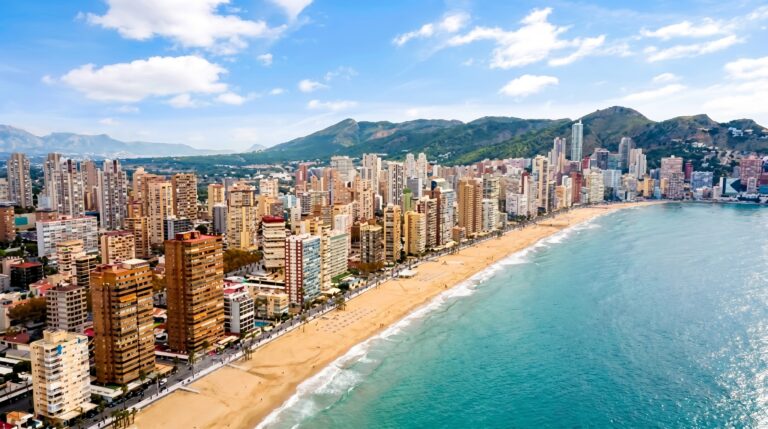
Benidorm is often called the “New York of the Mediterranean” due to its stunning skyline, but this Spanish coastal giant offers much more than just skyscrapers. Whether you are a thrill-seeker, a sun-worshipper, or a culture enthusiast, Benidorm has something for everyone. Here is your ultimate guide to the best things to do in Benidorm.
Benidorm’s coastline is world-renowned for its pristine sands and crystal-clear waters. The city’s beaches are consistently awarded the Blue Flag for cleanliness and safety, offering distinct environments for every type of traveler:
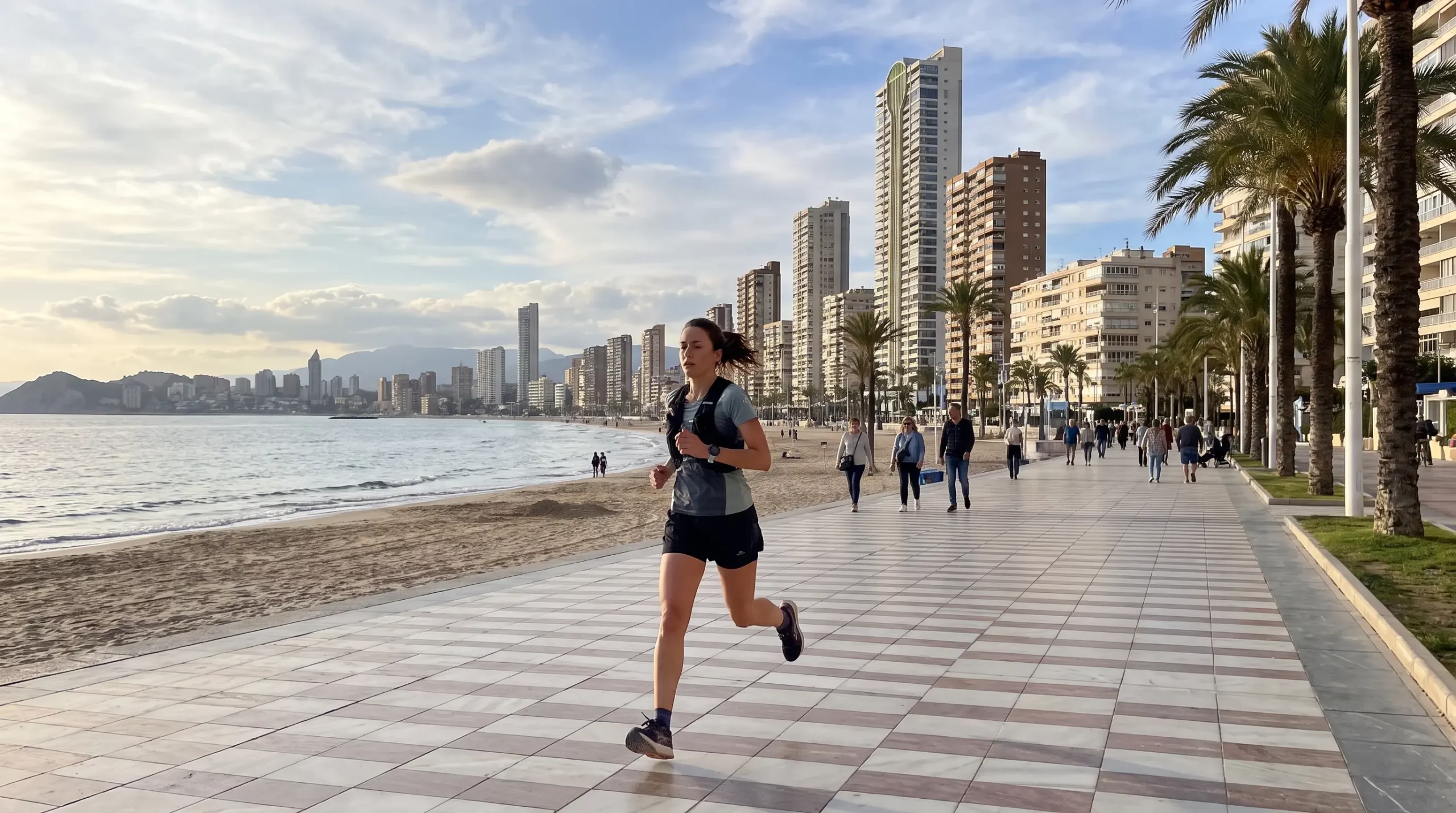
Levante Beach (Playa de Levante): Often described as the “heartbeat” of the city, this 2-kilometer stretch of golden sand is where the action is. It faces south, ensuring sun exposure from dawn until dusk. The beachfront is lined with a bustling promenade packed with cafes, bars, and restaurants. For the active traveler, Levante offers everything from jet skis to the famous Cable Ski Benidorm, a unique water-skiing circuit that has been operating since 1966. It’s the perfect spot if you enjoy people-watching and a high-energy atmosphere.
Poniente Beach (Playa de Poniente): Stretching over 3 kilometers, Poniente is the longest beach in Benidorm and offers a much more relaxed, authentic Spanish feel. It underwent a major transformation with the creation of its award-winning, colorful promenade, which mimics the shape of ocean waves. This beach is preferred by families and locals who seek a bit more personal space. The waters here are generally calmer and shallower, making it ideal for swimming. You’ll also find “Biblioplayas” (beach libraries) where you can borrow books and newspapers for a quiet afternoon of reading by the sea.

Mal Pas Beach: Tucked away at the foot of the “Canfali” cliff, which separates the two main beaches, Mal Pas is a hidden gem. This small, 120-meter cove feels worlds away from the city’s skyscrapers. Surrounded by rocks and located right below the iconic Balcón del Mediterráneo, its calm, turquoise waters are perfect for snorkeling. It offers a more intimate and tranquil setting, though it can get busy during peak summer weekends due to its limited size.
Cala Almadrava & Cala Tio Ximo: For those looking to escape the crowds entirely, these two rocky coves located at the foot of the Sierra Helada Natural Park offer a wilder experience. They are excellent spots for diving and snorkeling due to the rocky seabed and abundance of marine life.
Step away from the neon lights of the New Town and lose yourself in the labyrinth of narrow, cobbled streets that make up the Casco Antiguo. This area is the historical soul of Benidorm, where white-washed houses decorated with iron balconies and colorful bougainvillea replace the glass towers.
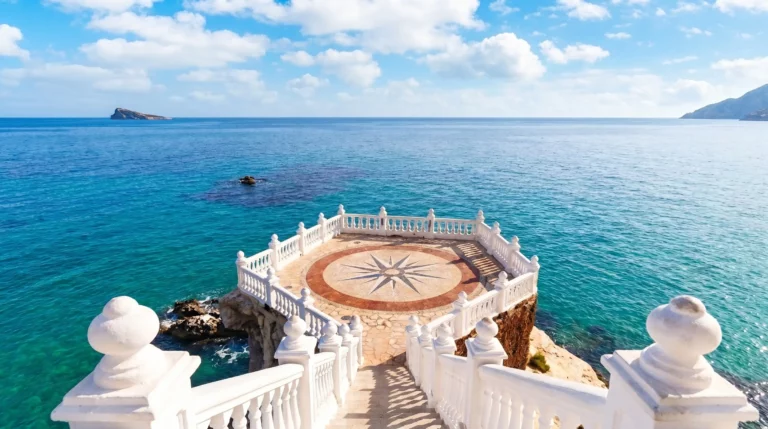
Balcón del Mediterráneo: Often called the “Castle Viewpoint,” this iconic pentagon-shaped plaza sits on the rock that once held the city’s fortress. The striking contrast between the white stone balustrades, the checkerboard tiles, and the deep blue Mediterranean makes it the most photographed spot in town. It is the bridge between the two great beaches, offering a 360-degree view that is especially breathtaking during the “blue hour” just after sunset.
Tapas Alley (Calle Santo Domingo): For an authentic taste of Spain, head to this vibrant street. Unlike the international fare of the New Town, here you will find traditional Basque-style pinchos (small snacks on bread) and classic tapas. The air is filled with the sound of chatter and the scent of sizzling prawns and cured meats. Pro tip: Visit “La Cava Aragonesa” to see their incredible wall of wine and try a variety of montaditos.
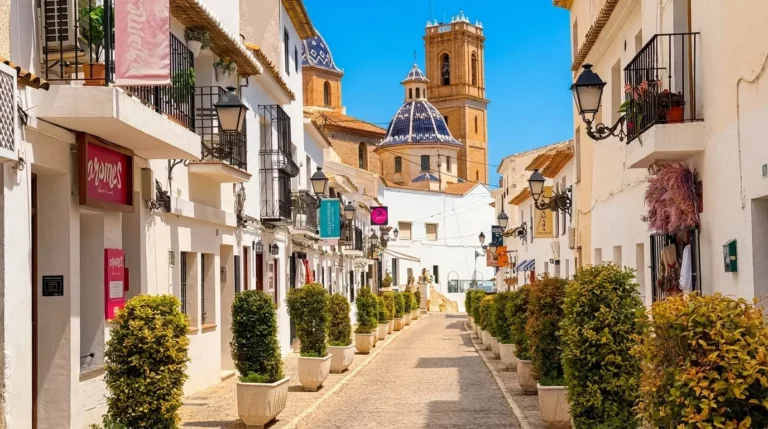
Church of San Jaime and Santa Ana: Located at the highest point of the Old Town on Canfali hill, this 18th-century church is a masterpiece of Neoclassical architecture. Its twin bright blue Mediterranean-tiled domes are a symbol of the city. Inside, you can find the chapel of the Virgen del Sufragio, Benidorm’s patron saint. The small plaza in front of the church, Plaza de Castelar, often hosts local artists and offers a peaceful retreat from the bustling streets below.
Plaza de la Constitución: This charming square is lined with traditional cafes and shops. It’s a great place to sit with a café con leche and watch the world go by, feeling the pulse of a Mediterranean village that still exists in the shadow of the skyscrapers.
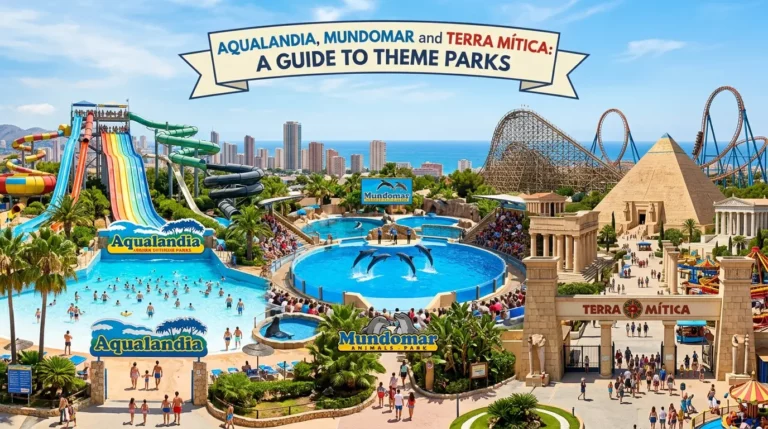
Benidorm is the undisputed theme park capital of the Costa Blanca. You could easily spend a whole week just exploring these massive entertainment complexes, each offering a unique world of adventure:
Terra Mítica: This massive theme park transports you to the ancient civilizations of the Mediterranean. It is divided into themed zones like Egypt, Greece, Rome, Iberia, and The Islands. Adrenaline junkies shouldn’t miss Titanide, an inverted roller coaster with five inversions, or Synkope, a giant swinging disc that reaches speeds of 90 km/h. For a more relaxed experience, the boat ride through the “Labyrinth of the Minotaur” is a must. The park is famous for its elaborate shows and historical recreations that bring ancient myths to life.
Aqualandia: As one of the world’s largest water parks, Aqualandia is a paradise for water lovers. Its crown jewel is Verti-Go, a set of two slides standing at 28 and 33 meters high; the taller one is the highest capsule slide in Europe, offering a near-vertical drop that is not for the faint of heart. For those looking for fun without the terror, the Amazon provides a relaxing lazy river, and the Atlantic Surf wave pool recreates the ocean’s swell. The park uses natural salt water pumped directly from the sea, which is treated and filtered for a unique swimming experience.
Mundomar: Located right next to Aqualandia, this exotic animal park focuses on marine life and tropical birds. It’s famous for its award-winning dolphin and sea lion shows, which are choreographed to music and tell a story rather than just showing off tricks. Mundomar emphasizes conservation and education, allowing visitors to see lemurs, flamingos, and giant tortoises up close. For a truly special memory, the park offers “Encounters” where you can swim with sea lions or have photos taken with lemurs.
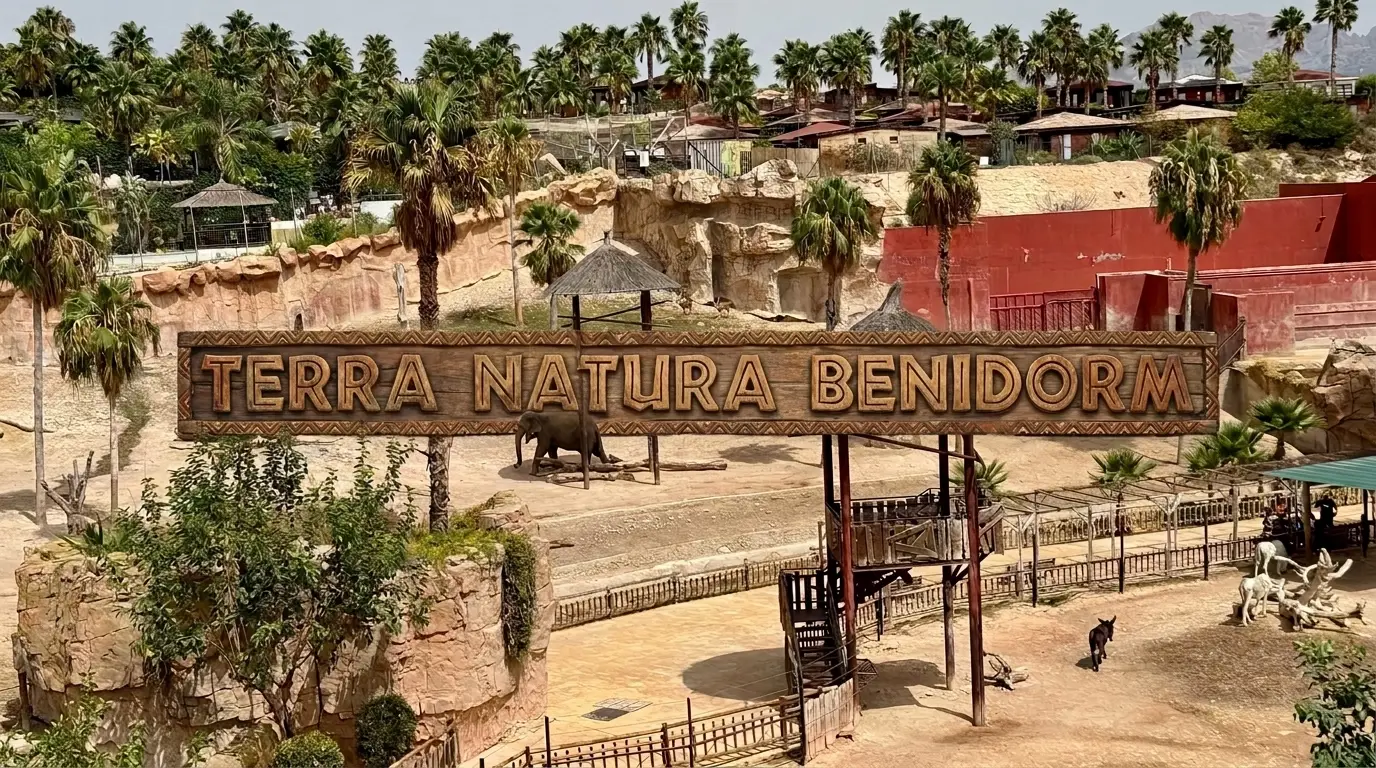
Terra Natura: This park pioneered the concept of “Zooimmersion,” a design philosophy where animals are separated from visitors by nearly invisible barriers like hidden moats or glass panels. It covers over 320,000 m2 and is divided into continents: Pangea, America, Asia, and Europe. You can see over 1,500 animals representing 200 different species, including rhinos, elephants, and tigers. Many visitors choose a “combo ticket” that includes access to Aqua Natura, the sister water park located right next door.
For the ultimate panoramic view of the city, a hike to La Cruz is essential. Perched at the top of the Sierra Helada at an altitude of approximately 438 meters, this giant wooden cross was originally erected in the 1960s as a mission to “redeem” the city.
The hike begins at the far end of the Levante beach (Rincón de Loix). While the road is paved, it is quite steep, taking about 45 to 60 minutes to reach the summit. Once at the top, you are rewarded with a breathtaking perspective of the “Manhattan of Spain.” From here, you can see the perfect curve of the bay, the towering skyscrapers, and on clear days, the Peñón de Ifach in Calpe. It is particularly magical at sunset, when the city lights begin to flicker on against the darkening sea.
If you need a break from the urban energy, the Sierra Helada (Frozen Mountain) offers a rugged, natural escape. This is the first land-marine park in the Valencian Community, featuring impressive limestone cliffs that rise over 300 meters straight out of the sea.
The most famous route is the Yellow Route, a challenging 8 km ridge hike from Benidorm to the neighboring town of Albir. It takes about 4 to 5 hours and requires sturdy footwear, as the terrain is rocky and undulating. Along the way, you’ll pass the Alt del Governador, the highest point of the range, and enjoy constant views of hidden turquoise coves and the vast Mediterranean. For a shorter, family-friendly option, you can walk the paved path to the Albir Lighthouse (Faro de l’Albir) at the other end of the park.
The iconic, peacock-shaped island sitting 3.5 km offshore is shrouded in local legend. Folklore says the island is actually a piece of the nearby Mount Campana (1,406 m); the giant hero Roldán supposedly kicked a chunk out of the mountain in a fit of rage, and it landed in the sea to form the island.
Regular boat trips depart from the port and the Rincón de Loix. The journey takes about 20 minutes. Many of these boats, known as “Goldfish” or “Aquascope,” feature underwater viewing windows, allowing you to observe the rich marine life of the protected volcanic seabed. Once on the island, you can explore several narrow paths leading to the summit, where you’ll find a small restaurant and a spectacular view of the Benidorm skyline from the sea. It is a sanctuary for wild birds, particularly swifts and seagulls, giving it the nickname “Peacock Island.”
Benidorm’s nightlife is legendary across Europe:
The Square (Rincón de Loix): The epicenter of British-style bars, neon lights, and themed pubs.
Tribute Acts: Benidorm is famous for its high-quality free entertainment. You can find world-class Elvis, Adele, or Queen tribute acts performing every night.
Benidorm Palace: For a more sophisticated evening, book a ticket for a Vegas-style show featuring dancers, magicians, and a full dinner service.
For a taste of local life, visit the Mercadillo de Benidorm (usually on Wednesdays and Sundays). It’s a great place to pick up fresh local fruit, leather goods, clothes, and traditional Spanish snacks.
If you have extra time, explore the surroundings:
Altea: Only 15 minutes away, this “Bohemian” town features white-washed houses and a stunning blue-domed church.
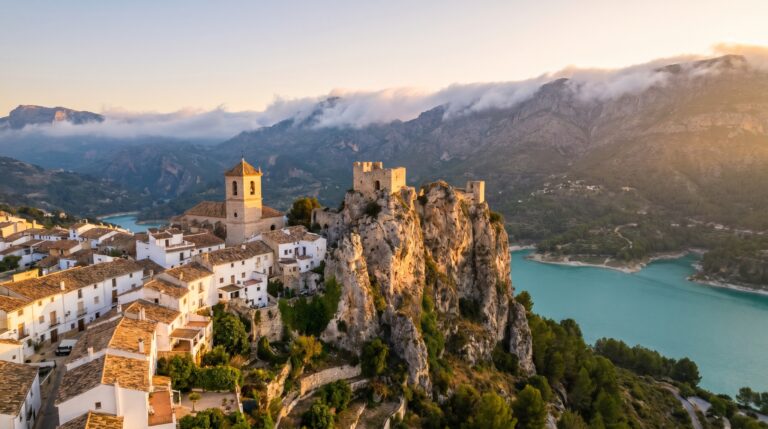
Guadalest: A tiny village perched on a mountain ridge, famous for its castle and turquoise reservoir views. It is consistently voted one of the most beautiful villages in Spain.
Fuentes del Algar: If you love nature, these natural waterfalls and crystal-clear rock pools offer a refreshing dip in a stunning mountain setting.
The best time to visit Benidorm is in May, June, or September. You’ll enjoy glorious weather without the extreme heat and peak crowds of July and August.
Plan your expenses in Benidorm
(excluding flights & accommodation)
Select a route to see the estimated taxi fare