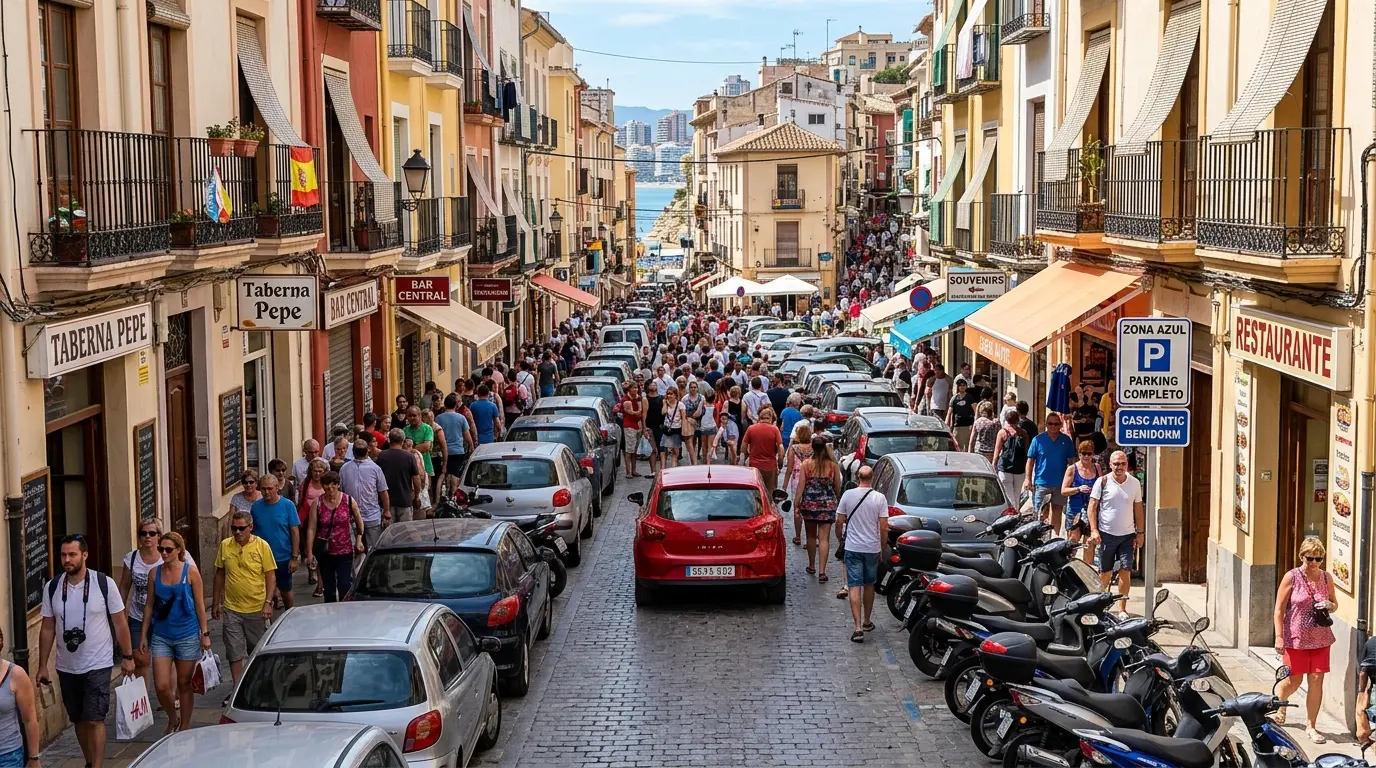
The most recognizable element of Altea is its old town, situated on a steep hill that once served as a natural defense point against pirates. It is a labyrinth of narrow, winding, and cobbled streets that meander among gleaming white houses. The whiteness of the facades is not accidental here – for centuries it has helped to reflect the burning Levante sun, keeping the inside of the buildings cool. Walking through Casco Antiguo, you pass cascades of colorful geraniums, bougainvillea, and jasmine that hang from wrought-iron balconies, filling the air with a sweet scent. Many of these houses have retained their original wooden doors and decorative tiles at the entrances, which gives the city an almost cinematic character. Entering the old part of the town through one of the historic gates, like Portal Vell, one has the impression that time has stood still here.
The central point, spiritual and architectural symbol of the city is the Nuestra Señora del Consuelo church. Its two majestic domes, covered with gleaming blue and white ceramic tiles (azulejos), have earned the title of “Domes of the Mediterranean”. They are visible from many kilometers away, once serving as a landmark for fishermen returning from their catch. The current temple, built at the beginning of the 20th century on the ruins of an earlier church, combines elements of Baroque and Modernism. The interior delights with modest elegance and stained glass windows, through which soft, southern light falls. However, it is the square in front of the church (Plaza de la Iglesia) that is the true center of the local community. In the evenings, the square is bustling with life – art and craft fairs are held here, local musicians play guitars, and tourists and residents mingle with each other, relaxing in the shade of cafe umbrellas with a view of the blue domes.
Altea is a city of perspectives, and strolling through Casco Antiguo, you will come across viewing terraces, called miradores, every now and then. The most famous of them, Mirador de los Cronistas de España, is located right next to the church square. It offers a stunning, panoramic view of the entire Altea bay. From this point, you can see the characteristic silhouette of the Peñón de Ifach rock in Calpe, the steep cliffs of the Sierra Helada natural park, and the sun-glistening Sierra Bernia mountain range, which surrounds the city from the north. Another point worth recommending is Mirador del Portal Vell, which overlooks the roofs of the lower town and the fishing port. These views, especially during the “golden hour” before sunset, when the white walls of the houses take on pink and orange hues, and the sea becomes silvery, are absolutely unforgettable and are a favorite motif of photographers from all over the world.
For decades, Altea has enjoyed a well-deserved reputation as a “city of artists” and the cultural capital of the Valencian Community. In the 1960s and 70s, escaping the bustle of big cities, many painters, sculptors, and musicians from all over Europe settled here, giving the town a unique, bohemian character that has endured to this day. It is this specific, pure light reflecting off the white facades and the deep blue of the sea that made Altea a natural open-air atelier.
The Altea coastline stretches over 8 kilometers, offering a completely different experience from the sandy, crowded resorts of neighboring cities. Pebble beaches, covered with smooth, white stones, dominate here. Although they require protective footwear, their presence guarantees exceptional water clarity and the absence of omnipresent sand. It is a paradise for those who value cleanliness, peace, and natural landscapes.
Driving along the N-332 road toward Calpe, it is impossible to miss one of the most unusual buildings in the region – Iglesia Ortodoxa Rusa San Miguel Arcángel. Located at the foot of the luxury Altea Hills district, it is the first Russian Orthodox church built on Spanish territory. The construction of this temple, completed in 2007, was a private initiative of a Russian businessman and has become a symbol of the large Eastern European community living on the Costa Blanca.
What makes this church unique are the materials used for its construction. It was built almost entirely of pine logs imported directly from the Urals, and its architecture refers to traditional 17th-century wooden churches from northern Russia (the tent-roofed style). Five golden domes topped with crosses, reflecting the intense Spanish sun against a backdrop of lush green palms and blue sky, create an almost surreal sight, blending northern austerity with Mediterranean warmth. The interior, though intimate, exudes extraordinary peace and the opulence typical of Orthodoxy, featuring a richly decorated iconostasis. The temple courtyard offers a moment of respite and a different cultural perspective on the surroundings.
Altea’s cuisine is a fascinating blend of fresh seafood and products from the fertile surrounding valleys (the so-called huerta). It represents the quintessence of the Mediterranean diet, relying on simplicity, top-quality ingredients, and recipes passed down through generations.
Altea serves as an excellent base for discovering the hidden treasures of the northern Costa Blanca. Within a radius of just a few dozen kilometers, you can find places of vastly different character – from mountain waterfalls to medieval fortresses.
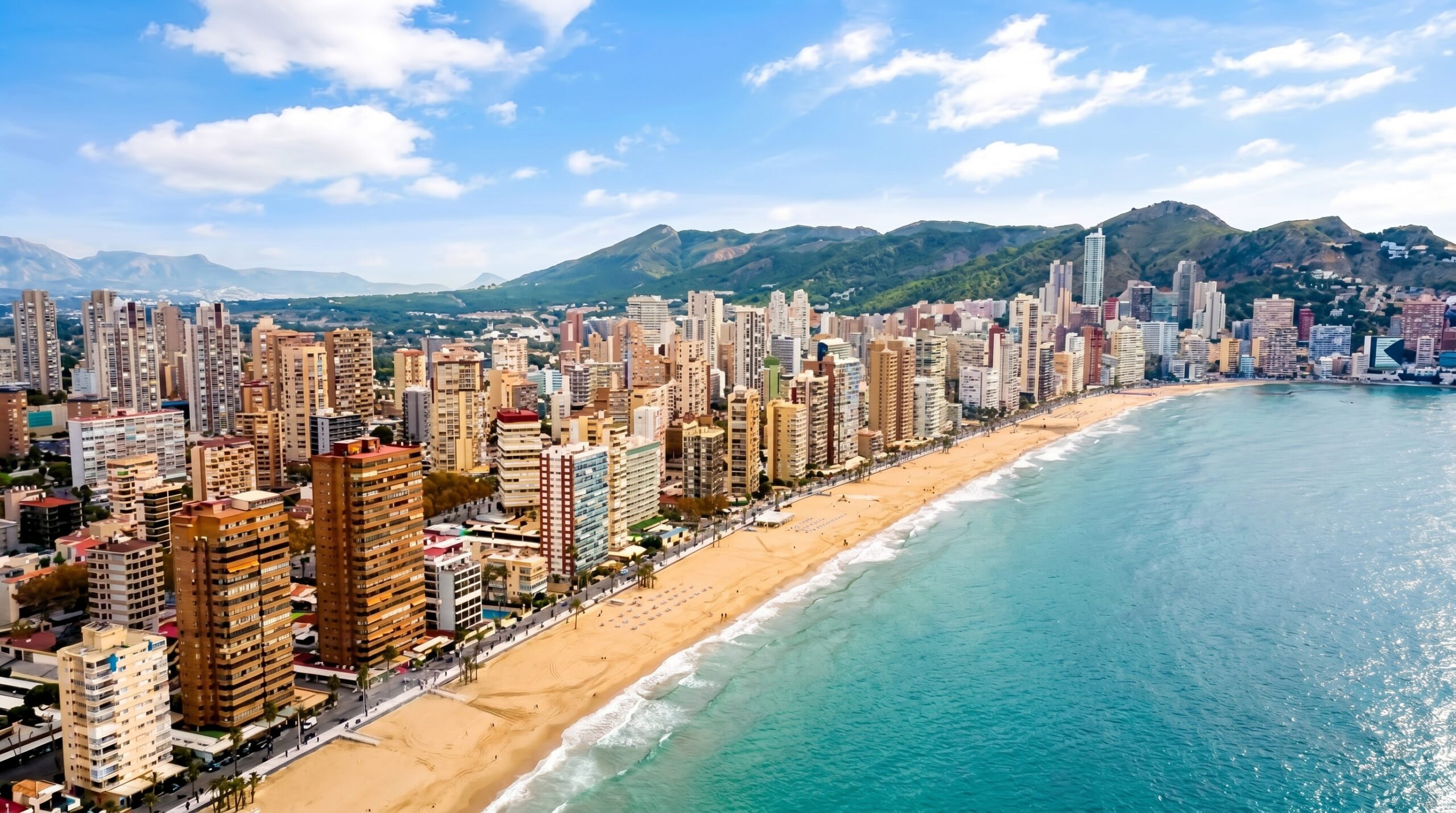
To fully enjoy your stay in Altea, it is helpful to understand its position on the regional map, especially in relation to neighboring Benidorm, which serves as the main transport and entertainment hub.
Getting There and Transport:
When to Go – The Best Time:
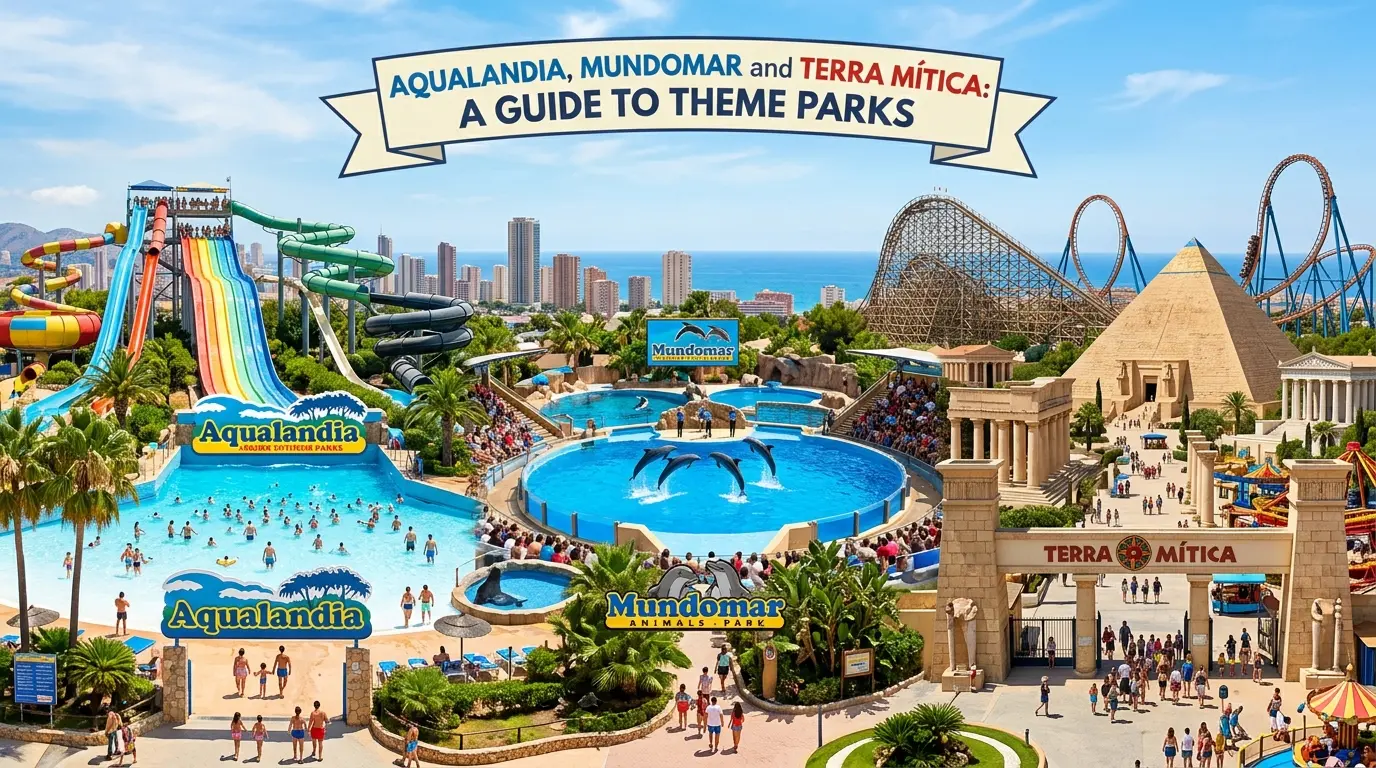
Parking and Accommodation Logistics: The old town (Casco Antiguo) is pedestrianized. If you plan on shopping at large malls or visiting theme parks (like Terra Mítica or Aqualandia), Benidorm (about 10 km away) is the only practical direction.
Altea is a place for those who seek something more than just sun and sand in Spain. It is a city with a soul that, despite the passage of time and the development of tourism, still manages to enchant with its modest, white elegance. Here, morning coffee at Plaza de la Iglesia, the sound of the sea at sunset, and the scent of jasmine in narrow alleys create a mosaic of memories you’ll want to return to. This is true Mediterranean “slow life” – an invitation to stop for a moment, breathe, and appreciate the beauty hidden in the simplicity of white walls and blue domes.