
Altea Beach: The Ultimate Guide to Costa Blanca’s Pebble Paradise

The Ultimate Guide to Costa Blanca’s Pebble Paradise

Altea Beach

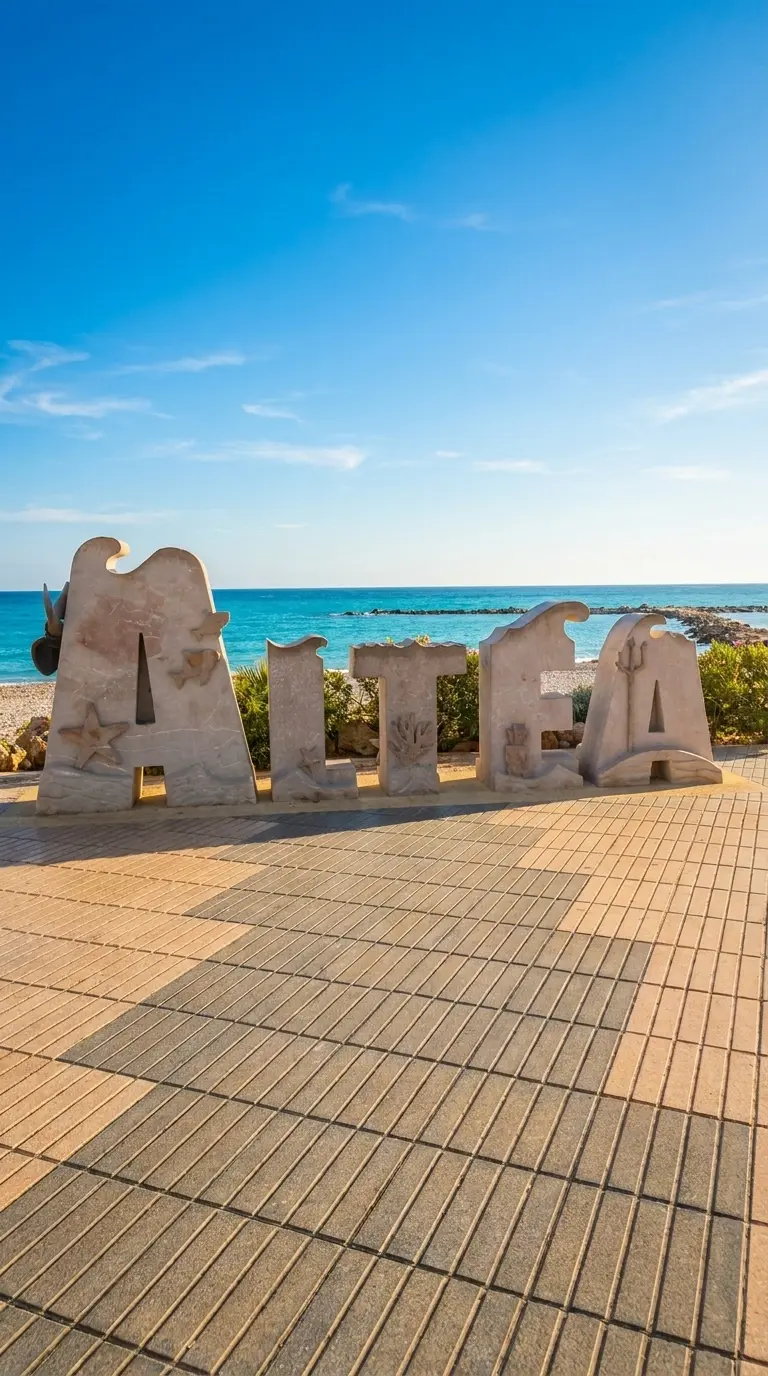
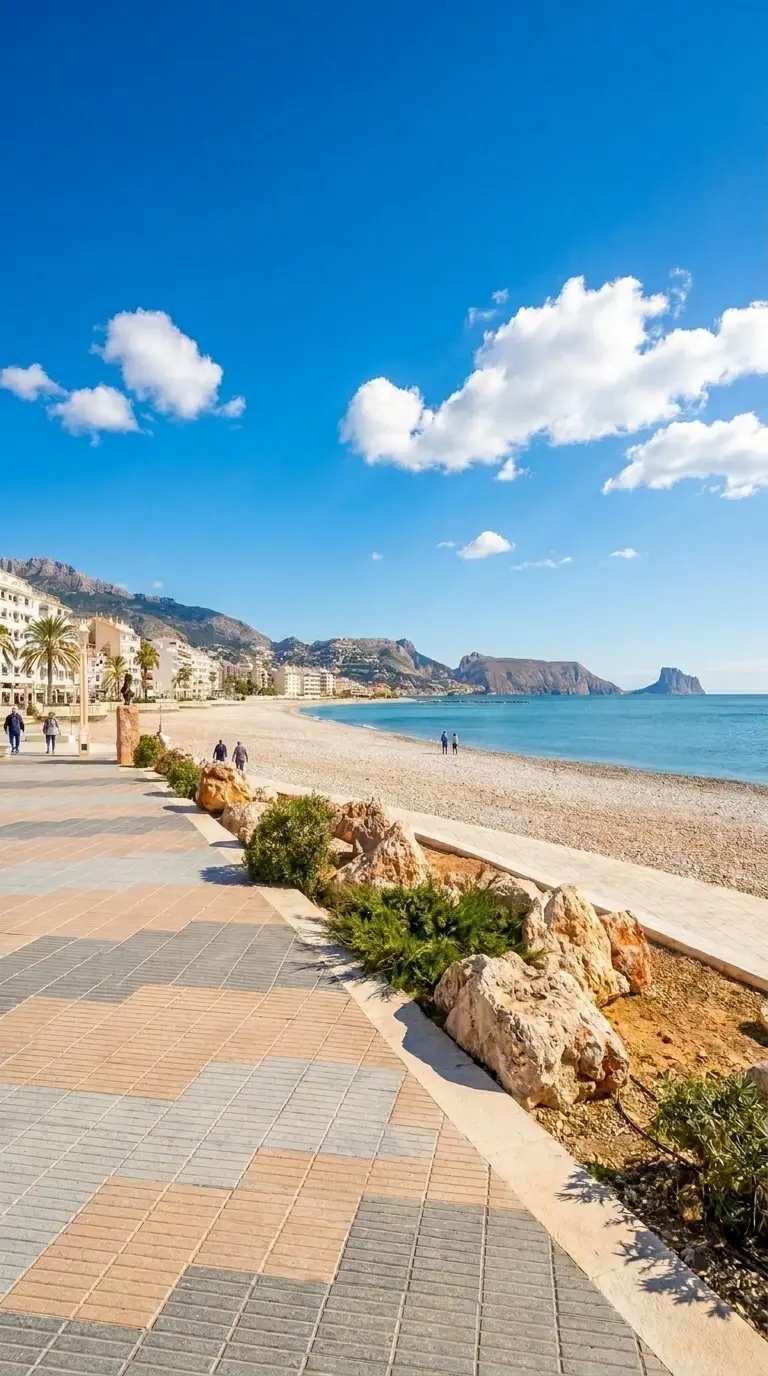
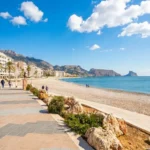
If you are looking for an escape from the sandy, crowded shores of typical Mediterranean resorts, Altea Beach offers a refreshing and sophisticated alternative. Known as the “Pearl of the Costa Blanca,” Altea is famous for its whitewashed old town and its stunning coastline characterized by smooth white pebbles, turquoise waters, and a tranquil atmosphere.

Whether you are planning a day trip or a long-term stay, this guide explores everything you need to know about the different sections of Altea Beach and why it is a top-tier destination for discerning travelers.

1. The Unique Appeal of Altea Beach

Unlike the fine-sand beaches of neighboring Benidorm or Calpe, Altea Beach is primarily made up of polished pebbles and stones. While this might require a pair of swim shoes, it offers two major advantages: the water remains incredibly clear (perfect for snorkeling), and you won’t find yourself covered in sand at the end of the day.

The coastline of Altea stretches for over 6 kilometers, offering a variety of environments from urban promenades to secluded natural coves.

2. Top Beaches to Visit in Altea

Every section of Altea Beach has its own personality. Here are the most popular spots:

Playa de la Roda

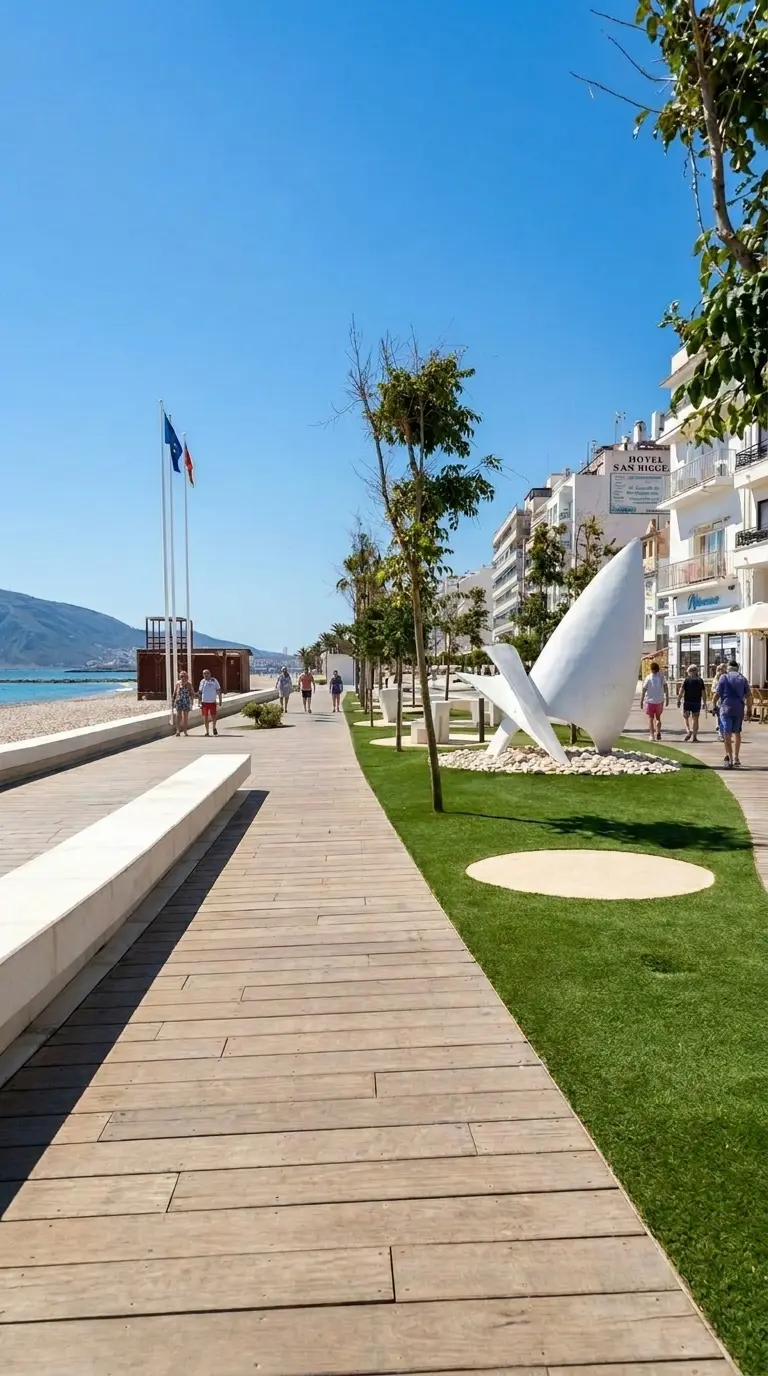
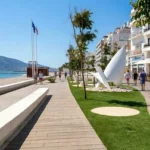
This is the most central and accessible Altea Beach. Located right next to the town center, it is lined with a modern promenade full of high-quality restaurants, ice cream parlors, and shops.

  • Key Features: Blue Flag status, lifeguard services, and excellent accessibility for people with reduced mobility.

  • Vibe: Bustling but elegant. It is the perfect place for a sunset stroll followed by a gourmet dinner.

Playa de Cap Blanch

Located at the southern end of the bay, merging with the beach of Albir, Playa de Cap Blanch is the widest section of the coastline. It offers a vast area for sunbathing and is very popular with families.

  • Key Features: Ample parking, volleyball nets, and proximity to several beach bars (chiringuitos).

  • Vibe: Relaxed and spacious.

Playa de l’Olla

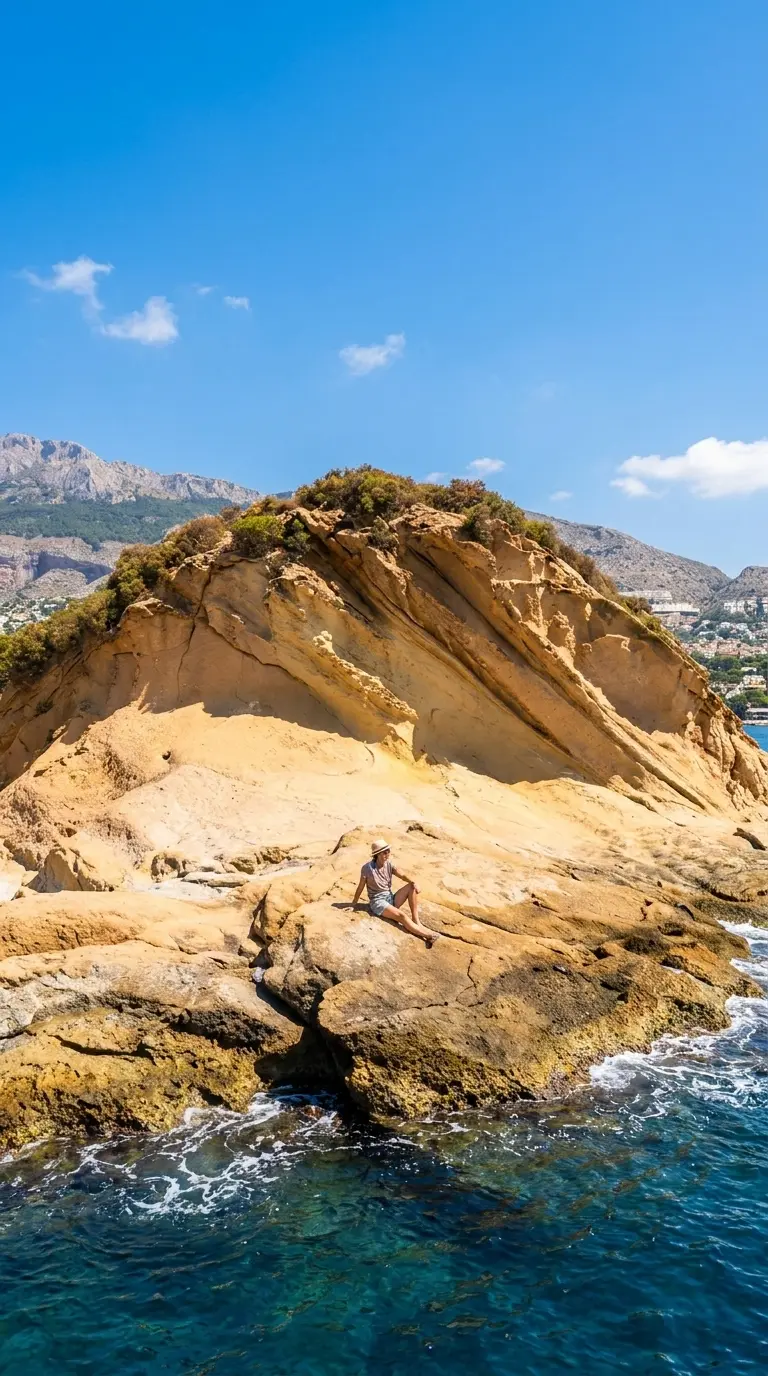
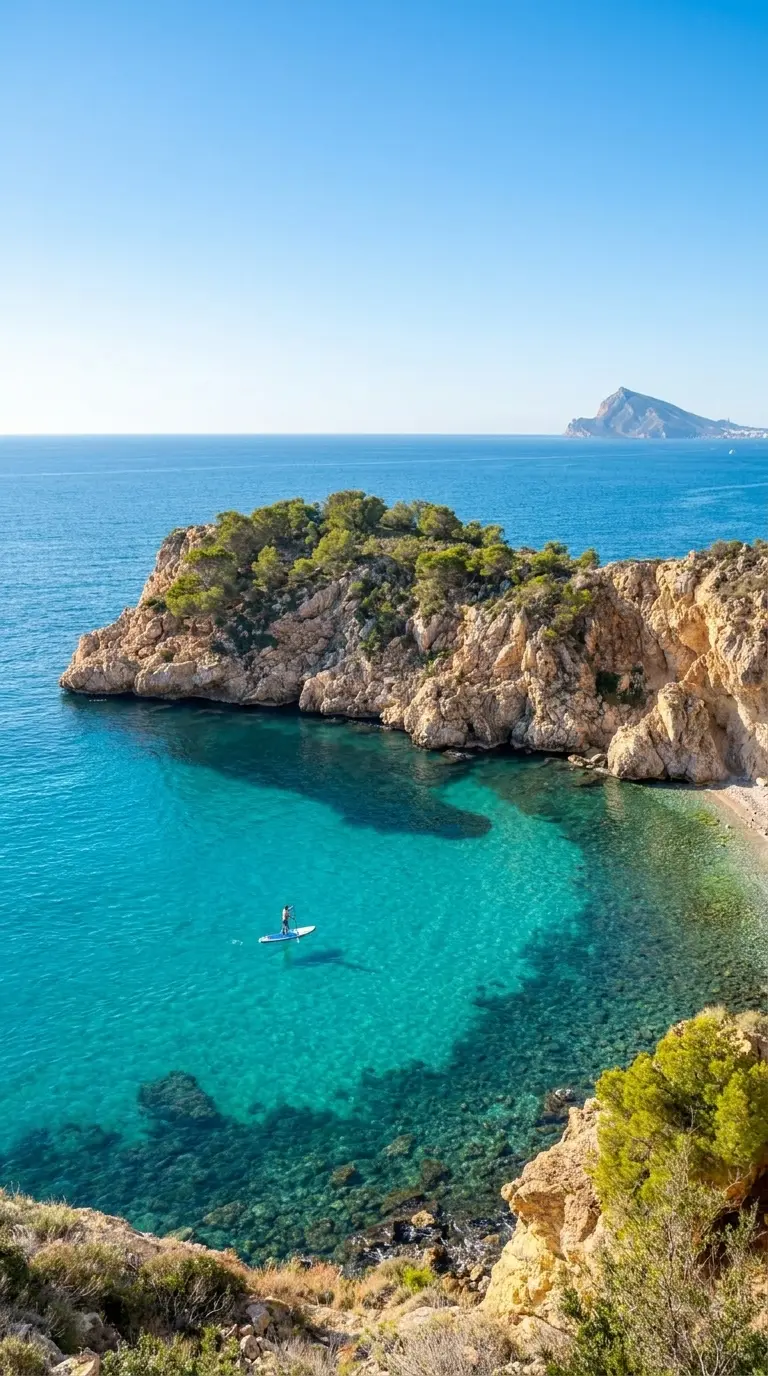
For nature lovers, this is the most iconic Altea Beach. It is famous for the small island (Isla de l’Olla) located about 400 meters offshore, which can be reached by kayak or paddleboard.

  • Key Features: Incredible views and a rocky seabed teeming with marine life. Every August, this beach hosts the “Castell de l’Olla,” a world-renowned firework display launched from platforms in the sea.

  • Vibe: Natural and adventurous.

Playa de l’Olla

Playa del Mascarat

Tucked away near the Campomanes marina (Marina Greenwich), this beach is located at the foot of impressive cliffs. It is a world-class spot for scuba diving and snorkeling.

  • Key Features: Deep, crystal-clear waters and a sense of isolation from the urban world.

  • Vibe: Hidden gem.

3. Activities and Water Sports at Altea Beach

Because the water at Altea Beach is so clear, it is a haven for water-based activities:

  • Snorkeling: The rocky seabed near Playa de l’Olla and Mascarat is home to schools of Mediterranean fish, octopuses, and seagrass meadows (Posidonia).

  • Kayaking and SUP: Renting a kayak is the best way to explore the small coves that are inaccessible by land.

  • Sailing: Altea has a prestigious yacht club and the Marina Greenwich, which is unique because it is the only marina in the world located exactly on the Prime Meridian.

4. Dining by the Shore

One of the highlights of visiting Altea Beach is the gastronomy. The promenade is home to some of the best seafood and rice restaurants in the region. Unlike the fast-food options often found in busier resorts, Altea focuses on authentic Mediterranean cuisine.

  • Must-try: Arròs a banda (traditional fisherman’s rice) or fresh grilled prawns from the local bay.

  • The Atmosphere: Most restaurants offer outdoor terraces where you can dine with the sound of the waves crashing against the pebbles.

5. Practical Tips for Your Visit

To ensure you have the best experience at Altea Beach, keep these tips in mind:

  1. Wear Swim Shoes: This is the most important tip. The pebbles can be difficult to walk on barefoot and can get quite hot in the afternoon sun.

  2. Parking: During July and August, parking near Playa de la Roda can be difficult. Arrive early or use the large public parking lot near the Altea train station.

  3. Sun Protection: The white pebbles reflect the sunlight, meaning you can get a sunburn faster than on a sandy beach. Use high-SPF sunscreen.

  4. The Promenade Walk: You can walk all the way from Altea to the neighboring town of Albir along the coast. It is a flat, 3-kilometer walk that takes about 45 minutes and offers constant sea views.

6. How to Get to Altea Beach

Altea is well-connected to the rest of the Costa Blanca:

  • By Car: Take the N-332 or the AP-7 highway (Exit 64). It is about 15 minutes from Benidorm and 45 minutes from Alicante.

  • By Tram: The L9 Tram Metropolitano connects Altea with Denia and Benidorm, offering a scenic journey along the coast.

Summary: Why Choose Altea?

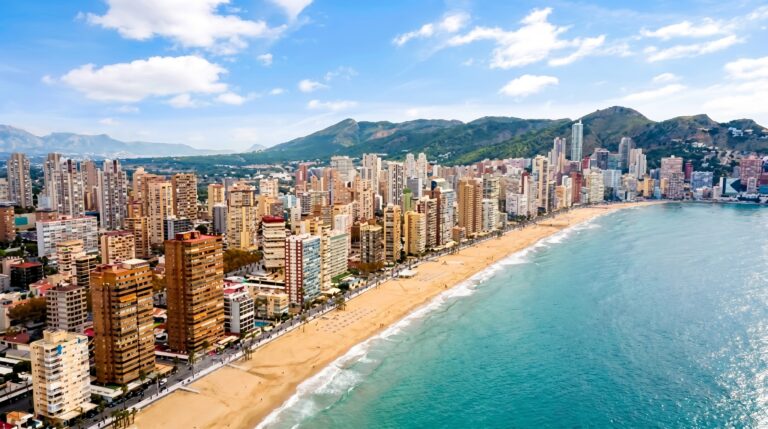
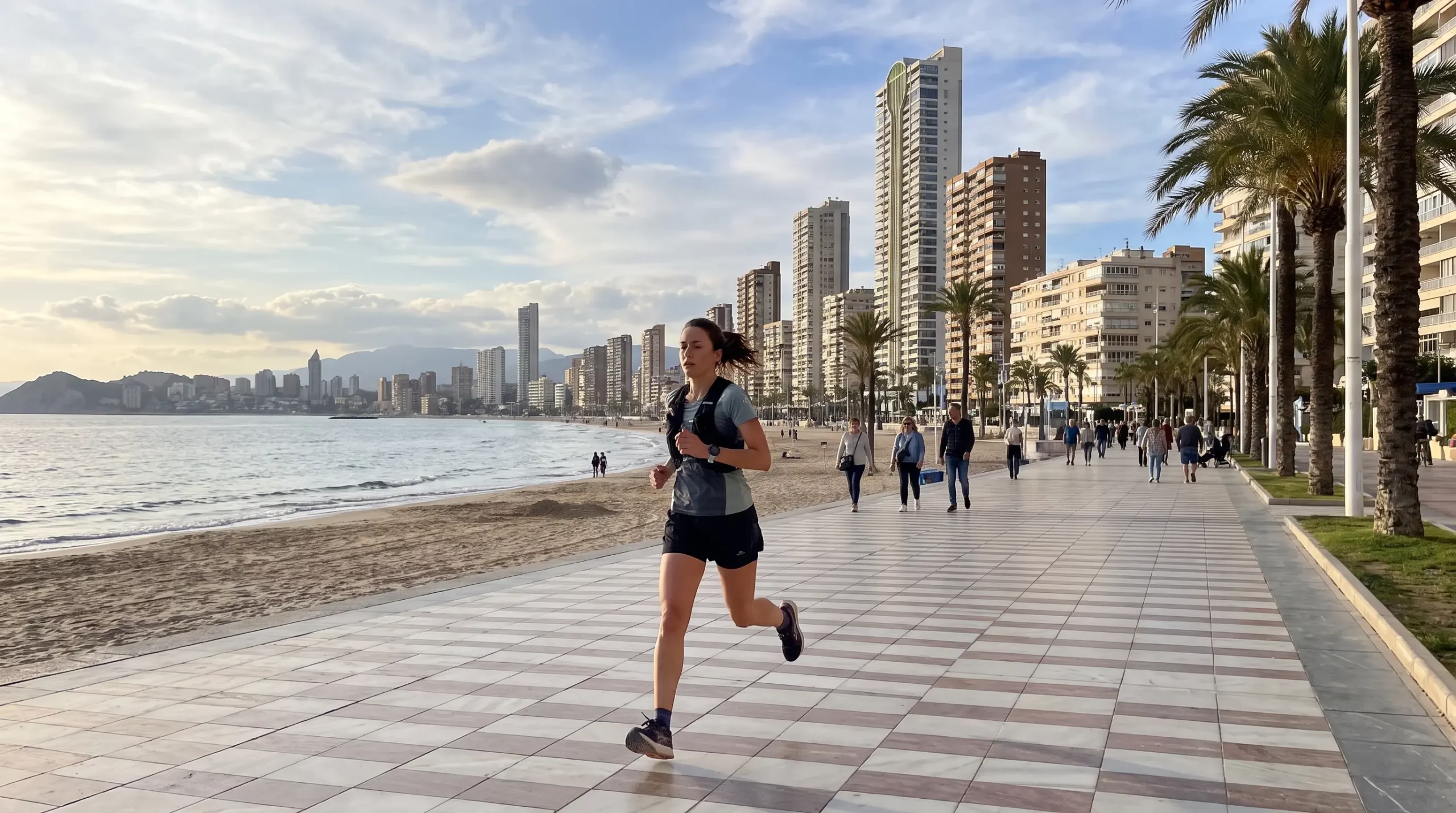
Altea Beach is for the traveler who appreciates beauty, tranquility, and quality. It provides a stunning backdrop of the Sierra Helada mountains and the famous blue-domed church on the hill. While its clear waters and artistic vibe make it a favorite, it is worth noting that if you are specifically looking for sandy beaches, you should visit Benidorm. Located just a few minutes away, Benidorm’s Levante and Poniente beaches offer miles of soft, golden sand for those who prefer it over Altea’s pebble Paradise.

Taxi Fare Estimator

Select a route to see the estimated taxi fare