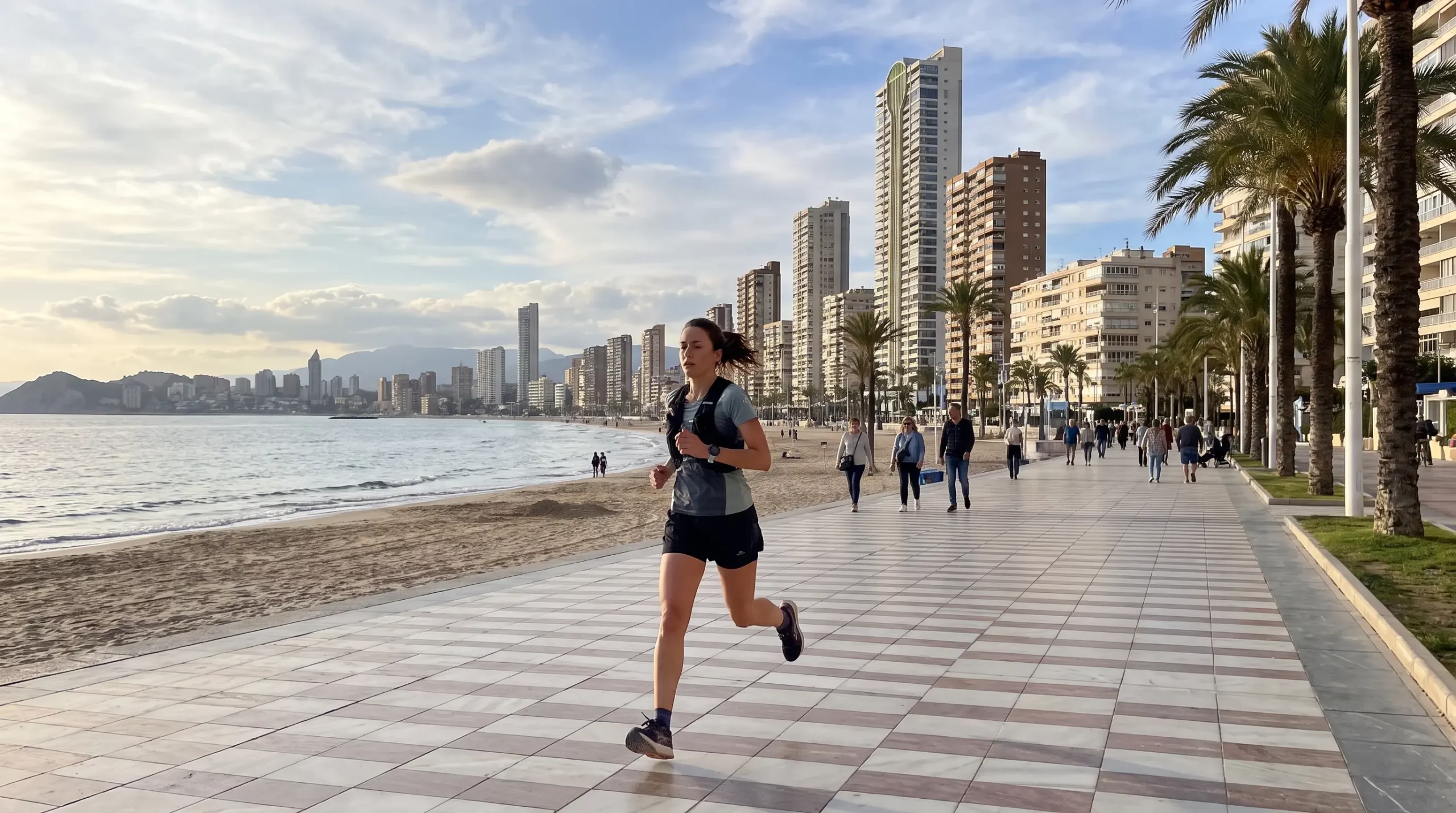
Benidorm is a phenomenon that defies simple tourism definitions. It is a forest of skyscrapers rising directly from the golden sands of the Costa Blanca, which to an outside observer might seem like architectural chaos, but for millions of Britons, it is synonymous with paradise. Why did this specific place, and not other Mediterranean resorts, become the unofficial “tenth province” of the United Kingdom?
The history of Benidorm as a British phenomenon did not start by accident, but from a bold vision. In the 1950s, Benidorm was a sleepy fishing village. Everything changed thanks to the mayor, Pedro Zaragoza. It was he who, in 1952, created an urban development plan that allowed for the construction of tall buildings so that every tourist could have a view of the sea.
However, Zaragoza’s most revolutionary step was obtaining permission from General Franco to… allow the wearing of bikinis on the beaches. In conservative, Catholic Spain, this was a scandal, but for the liberated youth from London or Manchester, it was a signal that Benidorm was a place of freedom. When the first cheap charter flights appeared in the 1960s, the British working class could, for the first time in history, afford sunshine at a price accessible to everyone.
Entering the Rincón de Loix district, one can forget they are in Spain. Signs on bars scream about “Full English Breakfast,” British hits from the 80s can be heard on the radio, and Premier League matches are broadcast in every pub.
For many Britons, the key to Benidorm’s success is the comfort of familiarity. This is a psychological phenomenon where a tourist seeks the exotic (sun, sea) but fears cultural barriers. In Benidorm:
It is a “home away from home,” where the sun shines for over 300 days a year, and at the same time, there is no need to learn a single word of Spanish.
For decades, Benidorm won against British resorts such as Blackpool, Scarborough, or Brighton with one key thing: an unbeatable ratio of quality and weather to price. While the British coast struggled with progressive infrastructure degradation and unpredictable weather, Benidorm offered guaranteed sun at a price that often turned out to be lower than a holiday within the UK itself. Even after Spain’s transition to the Euro, the city maintained its position thanks to the enormous scale of mass tourism, which allows for low margins with high turnover.
For a British pensioner, often struggling with so-called “fuel poverty” in their homeland, living in Benidorm is not only more pleasant but also more economically rational. The cost of heating an old, damp house in rainy Newcastle can be higher than renting a sunny apartment with a sea view. The financial attractiveness is further enhanced by:
It is estimated that over 70,000 registered Britons live in the Costa Blanca region alone, creating a self-sufficient network of services – from British hairdressers and mechanics to doctors and lawyers speaking exclusively in their mother tongue.
One cannot fully understand this phenomenon without looking at the role of pop culture, specifically the extremely popular ITV comedy series titled simply “Benidorm.” Aired for over a decade (ten seasons), it gathered millions of viewers in front of their televisions, becoming a cultural mirror of the British working class on holiday. The plot, centered around the guests of the fictional “Solana” hotel, presented a colorful gallery of characters – from the sarcastic grandmother Madge on an electric scooter to the dysfunctional Garvey family.
The series, although based on exaggerated stereotypes, slapstick humor, and ribald jokes, did something extraordinary for the city: it humanized it. It showed Benidorm not as a “concrete hell,” but as a place of deep inclusivity and community, where everyone is accepted. This production became a powerful marketing tool, attracting fans who wanted to see the legendary karaoke bars with their own eyes.
Recent years have brought a series of challenges to the city, forcing a redefinition of its identity. The biggest shock was undoubtedly Brexit. The rule of a 90-day stay within 180 days in the Schengen Area ended the era of unrestricted living in the Spanish sun without unnecessary formalities. Many people who treated Benidorm as an extension of their British backyard had to face a difficult choice: a complicated residency application procedure (TIE) or a return to their rainy homeland.
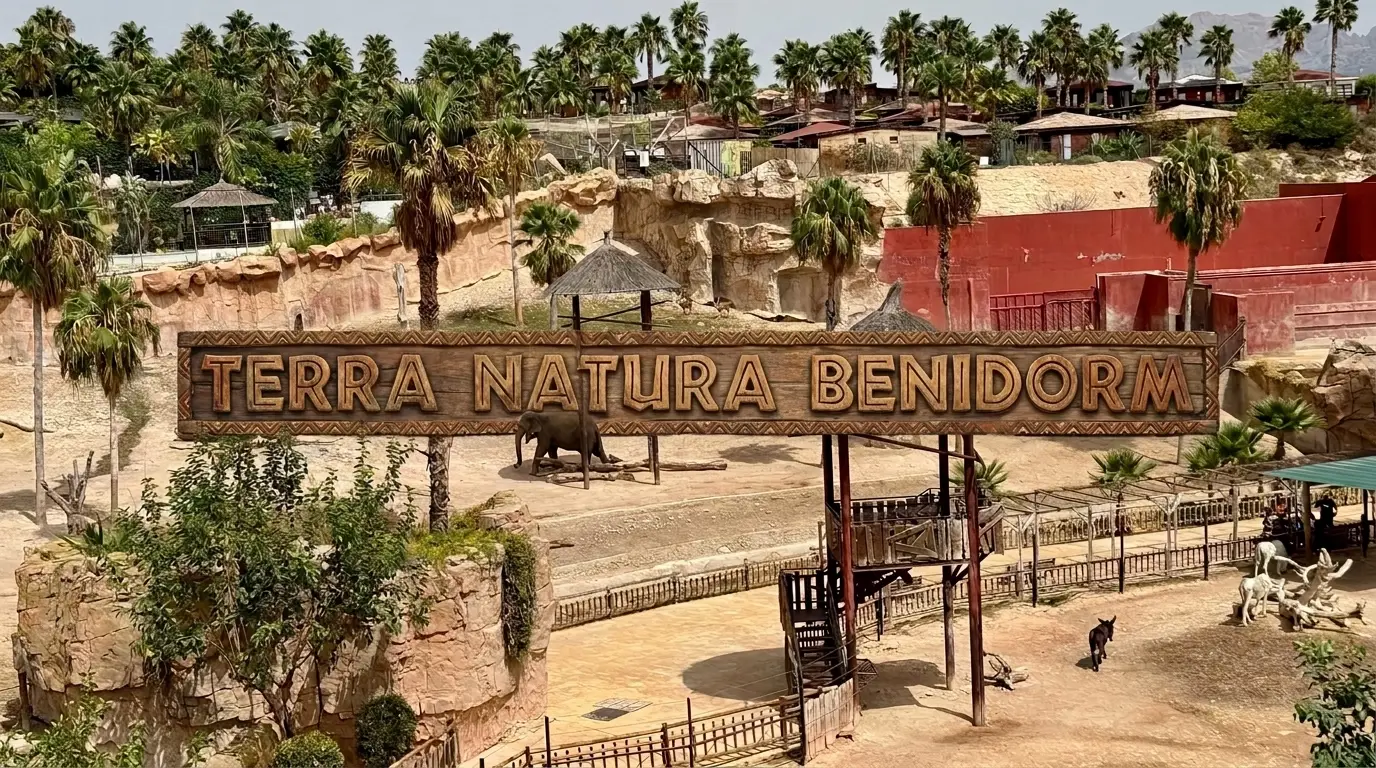
Despite these difficulties, Benidorm shows an extraordinary capacity for adaptation. The city is currently undergoing a major metamorphosis:
Benidorm is a phenomenon that goes beyond the framework of ordinary tourism, becoming a unique sociological experiment. It is here that British popular culture, with its strong attachment to community and pub tradition, has entered into a deep symbiosis with Spanish hospitality. For millions of Britons, Benidorm remains the happiest place on earth and a true home under the Spanish sky.